Hey, in the fast-changing world of consumer electronics, you can't underestimate just how important reliable LCD Touch Monitors really are. I was reading a recent report from Grand View Research, and it’s wild—by 2025, the global touch display market is expected to hit around $118.56 billion, growing at about 11.3% annually. That just shows how much demand there’s been for top-notch LCD Touch Monitors across different fields like retail, healthcare, and education.
John Smith, an expert over at Touch Technology Insights, put it well: “The innovation happening with LCD Touch Monitors is really pushing user engagement in all sorts of applications.” Basically, it means OEMs need to not only prioritize quality but also pay attention to safety and certification standards—stuff like CE certification, which proves the product is safe and reliable. When manufacturers aim to meet these standards, picking the right factory becomes a pretty big deal.
Now, there are tons of companies out there making LCD Touch Monitors, but not all of them are created equal. Some struggle with consistency, and that raises questions about how rigorous their certification processes are. That’s why it’s super important for businesses to do their homework before partnering up with an OEM. Taking this extra care helps ensure they end up with trustworthy, high-quality Touch Monitors that truly deliver on what they promise.

The CE certification process for LCD touch monitors ensures that these devices meet European Union safety and environmental standards. This certification indicates that the product complies with essential health, safety, and environmental requirements. It provides assurance to consumers and retailers about the product's quality and safety.
Understanding this process can be quite intricate. Manufacturers must conduct rigorous testing to demonstrate compliance. This includes evaluating the electrical safety and assessing electromagnetic compatibility. Mistakes during this phase can lead to costly delays or even failures in product acceptance. Every detail matters.
Tip: When selecting a factory, ensure they have a well-documented history of their CE certification processes. Verify their testing methods. This adds crucial reliability to your partnership.
Another factor to consider is the choice of materials and technology. High-quality components in the Touch Panel Lcd system can influence the product's overall performance and lifespan. At times, manufacturers may cut corners to save costs, which can negatively impact quality.
Tip: Always ask for transparency regarding the materials used in production. A reliable factory will be forthcoming with this information, highlighting their commitment to quality.
Navigating the complexities of OEM CE certification requires diligence. It’s a process that can determine the success of your LCD touch monitor in the market.
CE certification plays a vital role in the electronics industry. It signifies that products meet European safety, health, and environmental protection standards. Manufacturers must ensure their LCD touch monitors comply with these requirements. This certification fosters trust and reliability among consumers. A product without CE certification may face barriers in entering European markets.
The presence of CE markings helps manufacturers gain credibility. It also assures customers that products are tested for quality. This is crucial in a competitive landscape where safety and performance are non-negotiable. However, not all manufacturers fully understand the importance of keeping up with regulations. Some may overlook necessary tests or fail to document compliance properly. This can lead to costly setbacks.
In recent years, the emphasis on sustainability has also impacted CE certification. Electronics companies are increasingly required to consider eco-friendly materials and production processes. Ignoring these trends can harm not only a brand’s image but its viability in the market. Ensuring compliance and staying updated with regulations is an ongoing challenge for manufacturers. It's an area where continuous improvement is essential.
| Factory Location | Annual Production Capacity | Types of LCD Touch Monitors | CE Certification Status | Years in Operation |
|---|---|---|---|---|
| China | 500,000 units | Industrial, Retail, Medical | Certified | 10 years |
| Taiwan | 300,000 units | Education, Hospitality | Certified | 8 years |
| South Korea | 400,000 units | Gaming, Automotive | Certified | 15 years |
| Japan | 200,000 units | Medical, Personal | Certified | 20 years |
| USA | 250,000 units | Commercial, Industrial | Certified | 12 years |
High-quality LCD touch monitors are essential for various applications. When evaluating these devices, attention to detail is crucial. One key feature is touch sensitivity. A responsive touch interface enhances user interaction, which is vital for both commercial and personal use. Monitors should allow for multi-touch capabilities, facilitating more complex gestures.
Another important aspect is display clarity. High-resolution screens produce sharp images and vibrant colors. This is particularly beneficial in retail and educational environments. Furthermore, brightness and contrast ratios contribute significantly to overall performance. A good monitor should maintain visibility, even under direct sunlight.
Durability also matters. Touch monitors are often used in busy settings. Sturdy construction helps prevent damage from everyday wear and tear. Some monitors even offer anti-glare coatings to reduce reflections. However, it's essential to balance durability with aesthetics. A sleek design can enhance the overall user experience. Continuous reflection on these features can lead to better choices.
The LCD touch monitor market has seen significant growth in recent years. Several manufacturers stand out in this competitive landscape. They focus on high-quality production and innovative designs. When choosing an LCD touch monitor, consider factors like usability and versatility. Free-viewing TFT Display With Capacitive Touch Panel technology enhances user interaction, making it a preferred choice.
Many factories prioritize certification in their production processes. This ensures that their products meet stringent safety and quality standards. While this builds trust, not all manufacturers uphold these certifications. Some may rush production, leading to potential quality issues. Researching each manufacturer's reliability is essential before making a decision.
User feedback plays a critical role in identifying top manufacturers. Evaluating customer reviews can offer valuable insights. Some companies may have impressive designs but fall short in durability. It’s vital to weigh aesthetics against performance. Selecting an LCD touch monitor involves balancing various attributes for the best user experience.
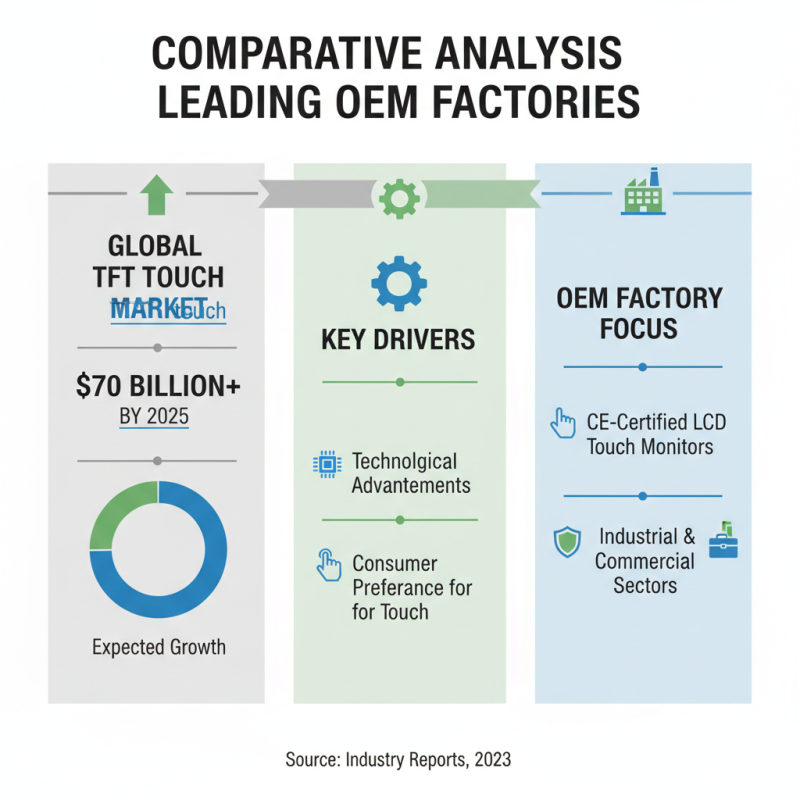
In recent years, the demand for Tft Touch monitors has surged, particularly in industrial and commercial sectors. A comparative analysis reveals key insights into the leading OEM factories specializing in CE-certified LCD touch monitors. Reports indicate that the global market for touch screens is expected to reach over $70 billion by 2025, driven by technological advancements and increasing consumer preferences for touch interfaces.
Leading OEM factories focus on quality and innovation. They implement rigorous testing protocols to ensure product durability and performance. For instance, many factories now use automated testing systems, considerably reducing human error. However, not all factories maintain the same standards. A few may skip essential certifications or rely on outdated technologies. This could lead to inconsistencies in product quality, which ultimately affects customer satisfaction.
Another area of concern is the environmental impact of production processes. Some leading factories actively pursue sustainability, while others lag behind. Reports show that factories adopting eco-friendly practices see better market reception and customer trust. Yet, many OEMs still face challenges in sourcing sustainable materials. It's essential for manufacturers to balance cost, quality, and environmental responsibility, ensuring they stay competitive in the evolving TFT touch monitor landscape.
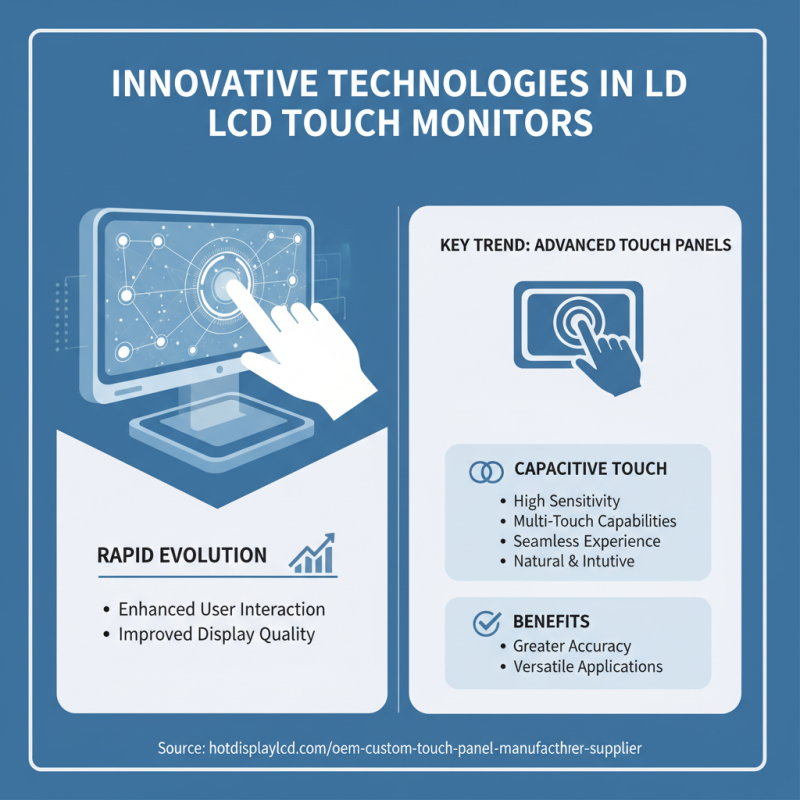
The world of LCD touch monitors is rapidly evolving. Innovative technologies are enhancing user interaction and display quality. One prominent trend is the integration of advanced Touch Panel technologies. Capacitive touch panels offer high sensitivity and multi-touch capabilities. They provide a seamless experience, making applications feel natural and intuitive.
Another vital development is the improvement in display resolution. With Full HD and 4K displays becoming standard, users can enjoy clearer images and vivid colors. The increased pixel density makes text readable and graphics sharp. This advancement is especially important in retail and gaming sectors, where visual performance matters greatly.
Manufacturers are also exploring eco-friendly solutions. Sustainable materials and energy-efficient components are gaining traction. These practices not only reduce the carbon footprint but also resonate with environmentally conscious consumers. However, some manufacturers still struggle with implementing these practices fully, reflecting a need for ongoing improvement in sustainability efforts.
The landscape of LCD touch monitor manufacturing is rapidly evolving. As technology advances, manufacturers are focusing on certifications that ensure product safety and quality. This trend is crucial for meeting consumer expectations and regulatory standards. More factories are seeking OEM CE certifications to enhance their credibility in the market. This shift indicates a deeper commitment to quality assurance.
Moreover, sustainability is becoming a significant focus in manufacturing practices. Companies must balance efficiency with eco-friendly processes. Many are exploring recyclable materials for their products. However, implementing these changes is often met with challenges, requiring time and investment. There’s a continuous need for improvement and adaptation to stay competitive.
Innovation in LCD touch technology is also paving the way for new potential applications. It is essential for manufacturers to keep pace with these innovations. Strategies that blend advanced technologies and certification processes will shape the future landscape. As OEMs navigate these complexities, the path forward demands both agility and a willingness to embrace change.
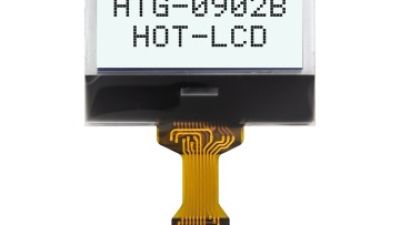
The 9x2 COG LCD STN transflective display, specifically the model HTG0902B, stands out for its versatility in various instrumentation applications. With a compact size of 31.7mm x 21.5mm x 0.3mm, this display is designed to fit in tight spaces while providing clear and reliable visual output. The pixel dimensions of 9 rows by 2 columns enable it to deliver essential information concisely, making it an ideal choice for instruments that require straightforward data representation.
One of the standout features of the HTG0902B is its transflective technology coupled with a white backlight, which ensures excellent visibility under varying lighting conditions. Whether in bright sunlight or dimly lit environments, the display maintains clarity and readability. Its operating temperature range of -20°C to +70°C further enhances its suitability for outdoor applications, while the ESD protection rated at 8KV ensures durability against electrostatic discharges. With a supply voltage of 5.0V and an interface compatible with MCU, this display easily integrates into existing systems, making it a practical choice for developers and engineers seeking reliable display solutions.
: CE certification ensures that LCD touch monitors meet European Union safety and environmental standards.
Rigorous testing demonstrates compliance and impacts product acceptance; mistakes can cause delays.
Look for a factory with a documented history in CE certification and transparent testing methods.
High-quality materials improve performance and lifespan; cutting corners can lead to quality issues.
Capacitive touch panels enhance sensitivity and multi-touch capabilities for a better user experience.
Higher resolutions like Full HD and 4K offer clearer images, vital for retail and gaming visuals.
Many are transitioning to eco-friendly materials and energy-efficient components, but challenges remain.
More manufacturers will pursue CE certification as technology and safety standards evolve.
Companies are exploring recyclable materials, but implementing these changes often requires time and investment.
Embracing innovations and adapting certification processes will be essential for future success.
The article "Top OEM CE Certification Lcd Touch Monitor Factories You Should Know" provides a comprehensive overview of the significance of OEM CE certification for LCD Touch Monitors. It highlights the importance of CE certification in ensuring product safety and compliance within the electronics industry, which is crucial for maintaining consumer trust. Key features of high-quality LCD Touch Monitors, such as durability, responsiveness, and display clarity, are also discussed.
Additionally, the article examines leading manufacturers in the LCD Touch Monitor market, focusing on a comparative analysis of their capabilities and innovative technologies that differentiate their products. Finally, it addresses future trends in manufacturing and certification processes, indicating a push towards enhanced efficiency and sustainability in the production of LCD Touch Monitors. This synthesis of points underscores the critical role that certification and quality play in the success of LCD Touch Monitors in a competitive market.